
PRODUCT PREVIEW / SOCIAL MARKETPLACE GAME

The marketplace for impossible virtual items.

SlopMart is a social marketplace game where real people create, bid on, or buy absurd virtual items. Auctions and fixed-price SHOP purchases use game credits. Follow a fictional delivery and collect the exact item you chose.

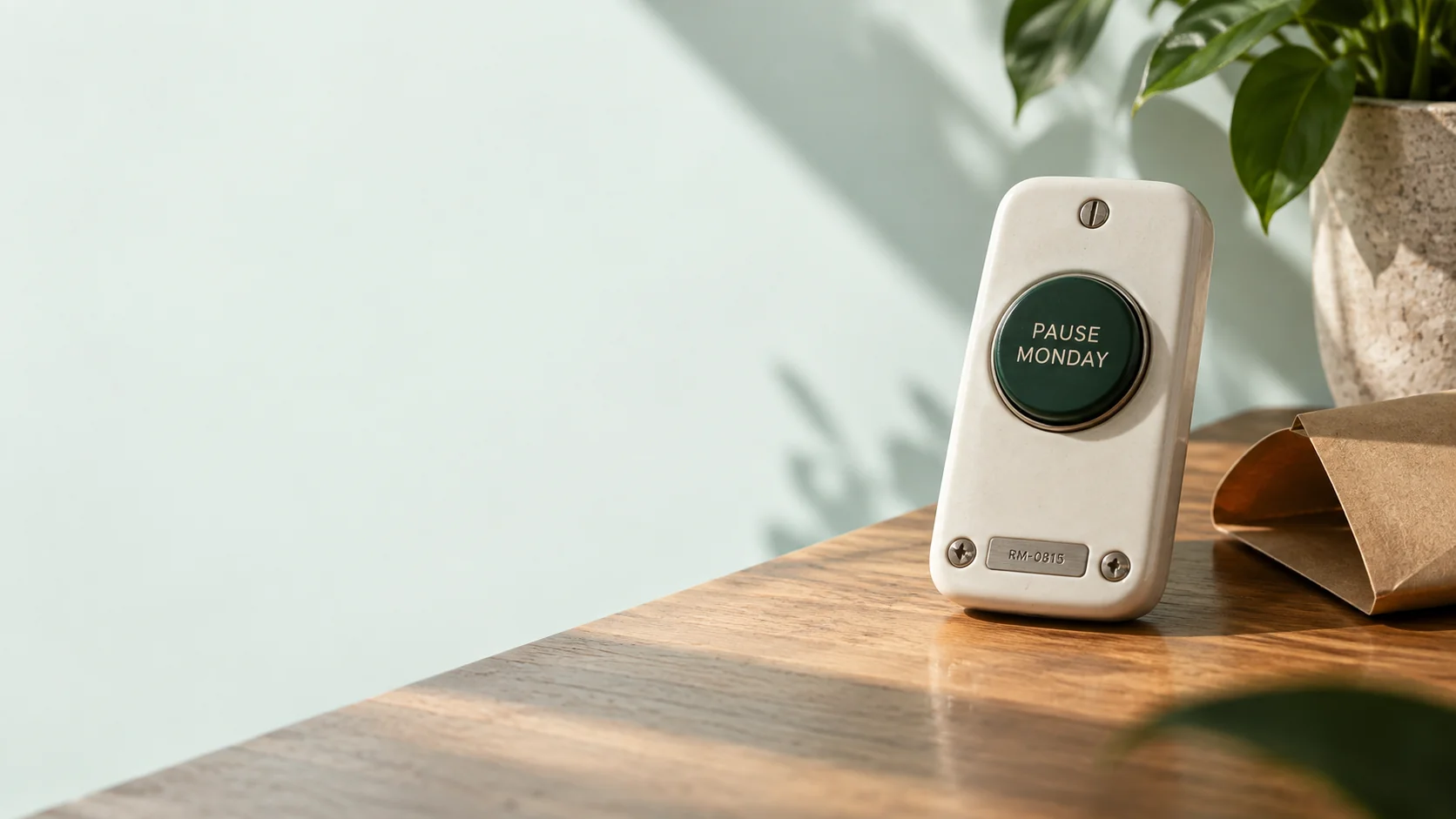
An ivory Remote for Monday, a fictional SlopMart item
FEATURED FICTIONAL LOTRemote for Monday · RM-0815

The people are real.Users create, sell, bid, and buy from other users.

The things are virtual.Every impossible item has an ID, owner, and history.

The market uses credits.No cash-out or physical shipping for a virtual deal.

INSIDE THE APP / DEVELOPMENT PREVIEW

An impossible item.
A real app screen.

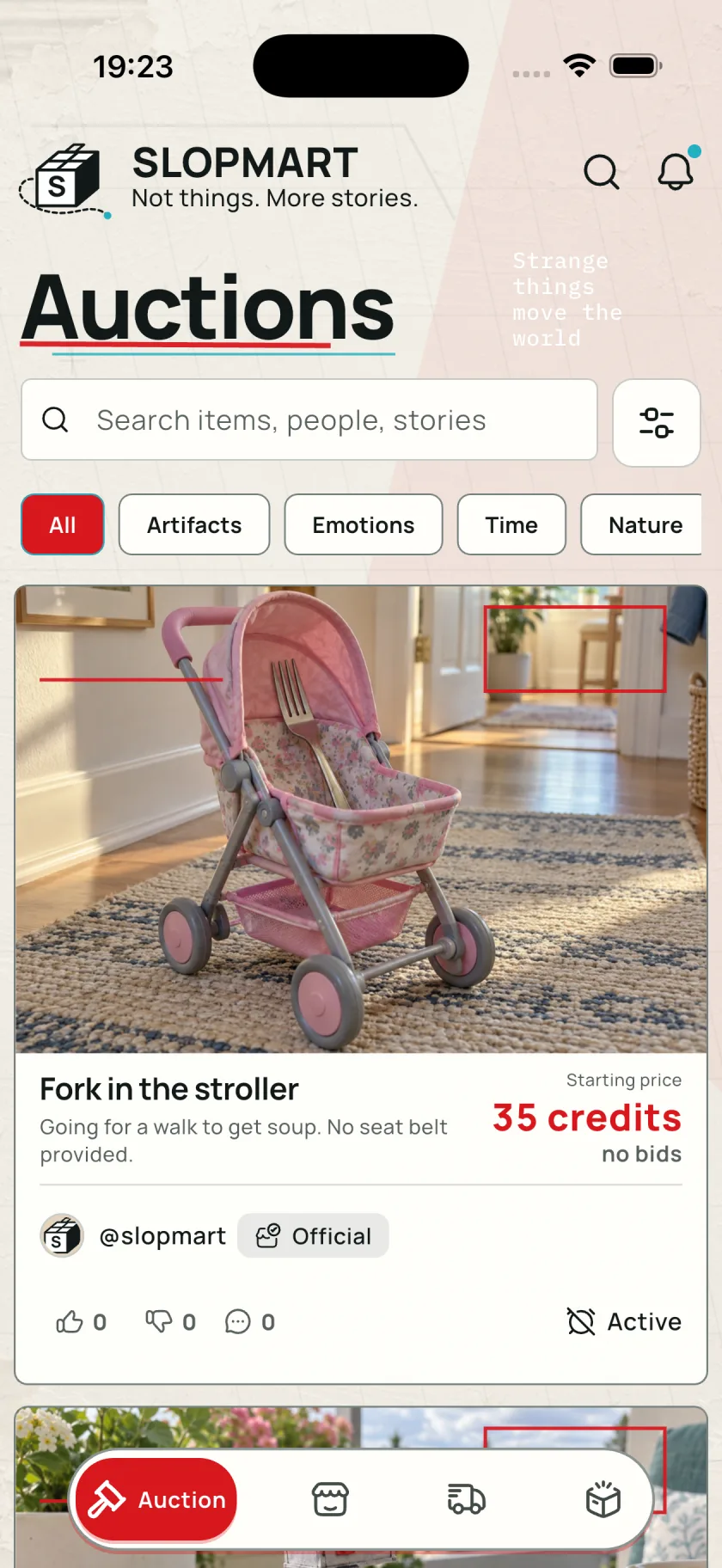
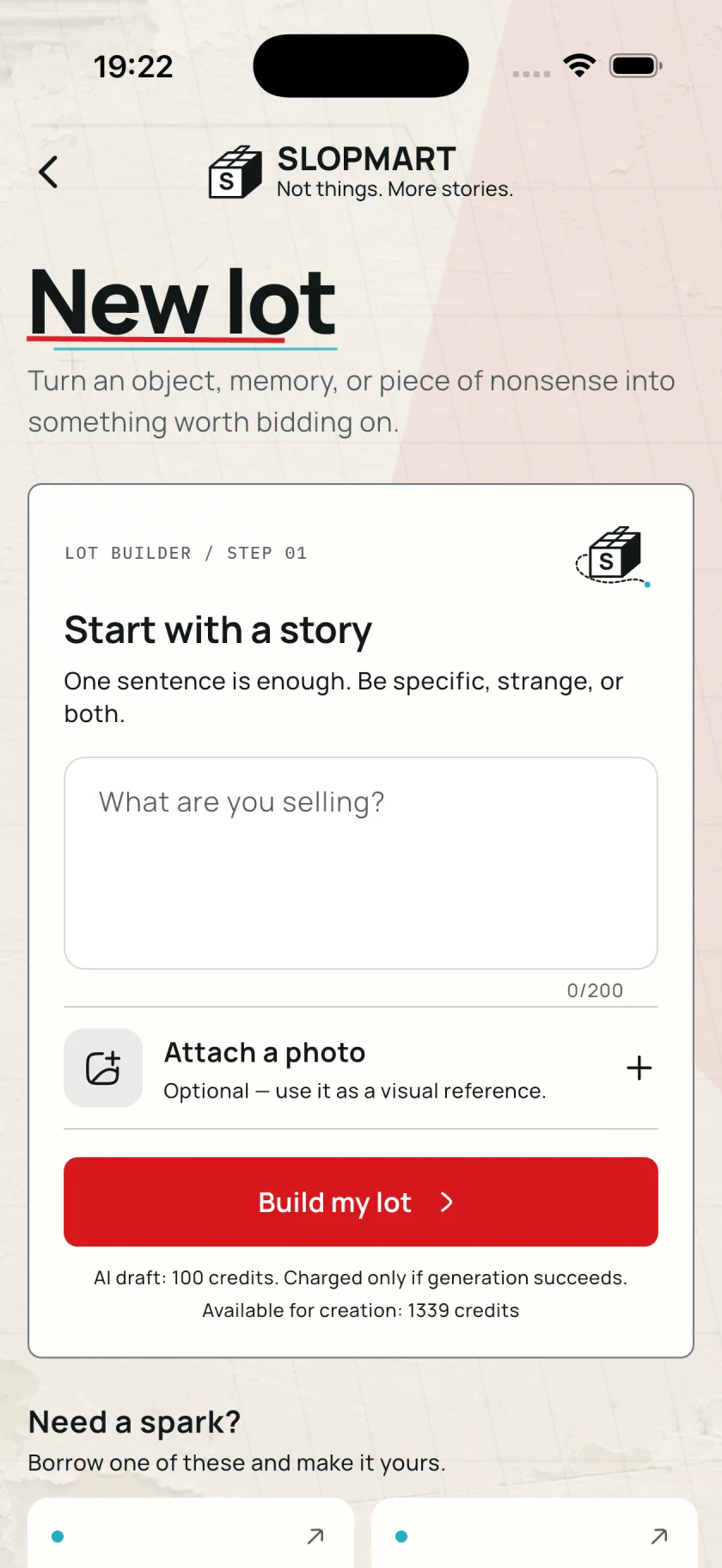
These are captures from the iOS development app, not concept drawings. They show the creation form, Auctions, and fixed-price SHOP. They do not confirm a public store release or a completed new transaction.

SlopMart Auctions showing a virtual fork in a stroller, 35 game credits, no bids and the Official seller label
Auctions use game credits.See the seller, credit price, and current bid state. The official account is labelled.
SlopMart New lot form with a text idea field, optional source photo and a clearly stated AI draft cost
Start with an idea or photo.AI creates a draft for your review. Saving and publishing are separate choices.
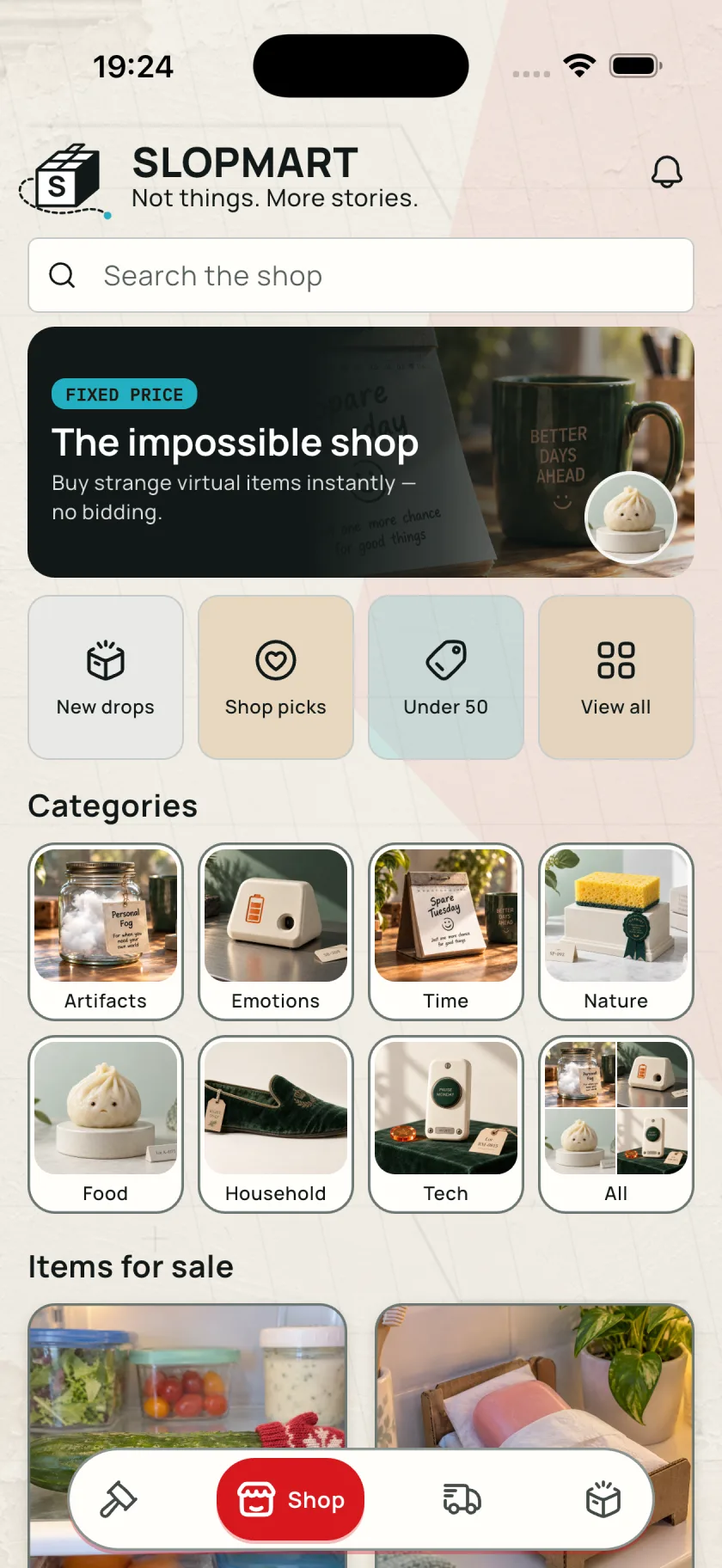
SlopMart SHOP with its fixed-price virtual-item explanation, categories and items for sale
SHOP skips the bidding.Available virtual items have a fixed game-credit price.

Looking for the app? Ask about SlopMart availability. This website explains the game; it does not accept bids, purchases, or payments.

00 / WHAT IS SLOPMART?

A serious market
for impossible objects.

SlopMart is a social marketplace game for virtual items. A real person invents an absurd object, reviews the AI-generated image, edits the listing text, and offers one identifiable instance to other real people. They can open an auction or set a fixed SHOP price. The buyer completes a virtual checkout with game credits, follows a fictional shipment, and unboxes the same item they chose. The item can then live in a collection or return to the market with its creator and ownership history attached.

People
Real
Items
Virtual
Currency
Game credits
Delivery
Fictional
Read the complete product definition

01 / THE MARKET

A strange object.
A perfectly normal listing.

Start with a prompt or a photo of an ordinary thing. AI drafts the image, name, description, and absurd specifications; the creator reviews the image, edits the text, and chooses an auction or the fixed-price SHOP. Try six fictional prompt examples or read how game-credit auctions work.

Browse all five lots

Select a lot to see its full sample listing above.

The five sample lots, sellers, and bids in this section are illustrative. This website does not run live auctions.

02 / THE FULL LOOP

From a silly idea
to an item with a past.

The joke is the object. The game is everything that happens around it.

  1. 01

    Create

    Describe an impossible item or add a photo. Review the AI image and edit the listing before saving or publishing.

  2. 02

    List

    Give the specific item an ID, then open an auction or set a fixed SHOP price in game credits.

  3. 03

    Bid or buy

    Other real people decide whether to bid or buy. No AI buyers stand in for a community.

  4. 04

    Check out

    The buyer confirms the item, recipient username, and game-credit total. No cash payment for the virtual item.

  5. 05

    Ship the fiction

    The seller chooses packaging, completes a fictional waybill, and signs the handoff.

  6. 06

    Wait & unbox

    Follow virtual tracking, then open the parcel to reveal the exact item chosen before checkout.

  7. 07

    Keep it going

    Save it to a collection, leave a review, or list it again with its ownership history intact.

03 / THE SOCIAL PART

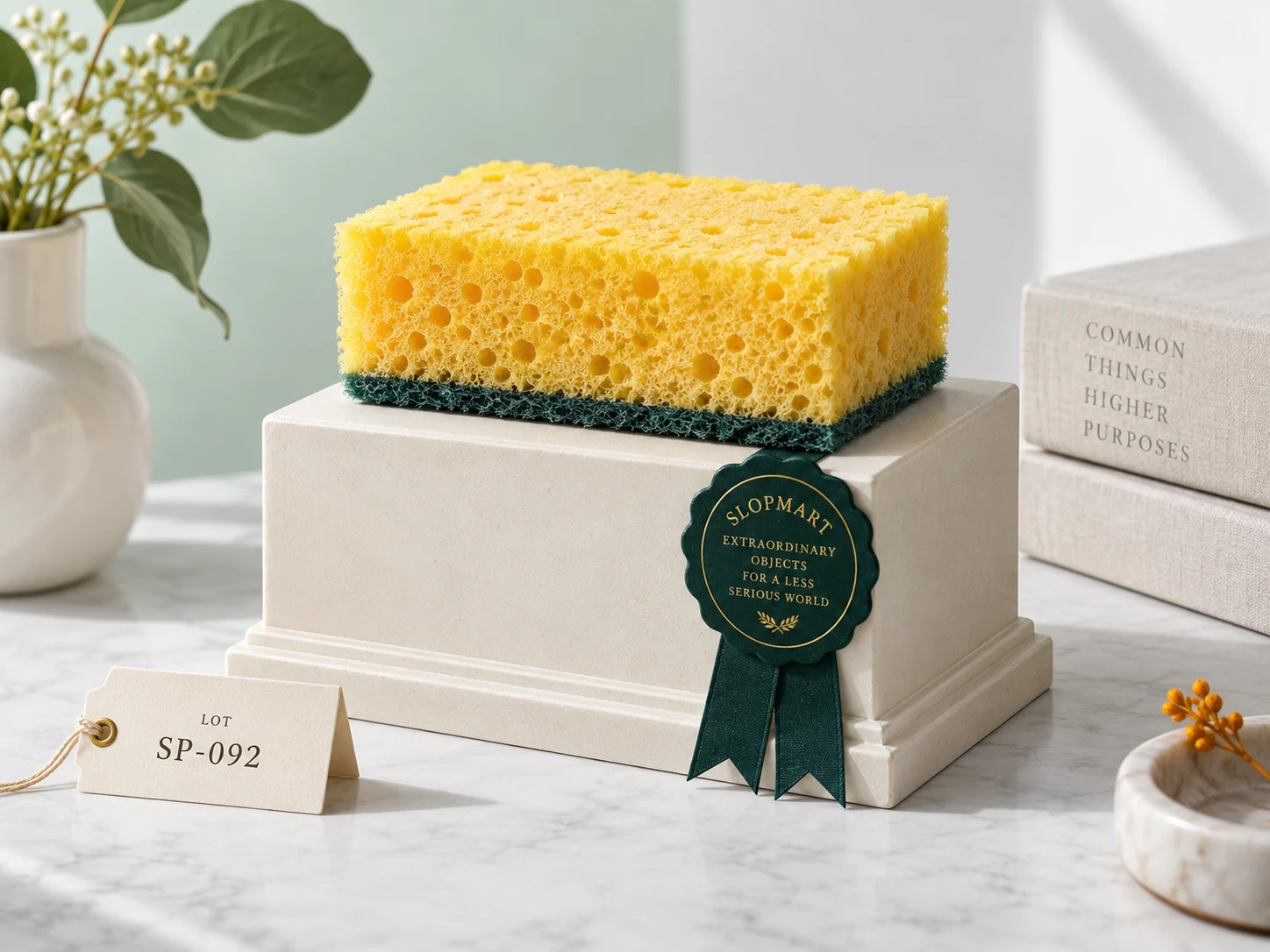
Someone else actually wants your sponge.

That small choice turns a throwaway image into a shared joke. People bid, pass items on, build collections, and add chapters to an object’s history. AI helps make the content; people make the market.

04 / VIRTUAL DELIVERY

The parcel is fictional.
The wait is part of the game.

After a win, the seller performs a short shipping ritual. The buyer sees a delayed virtual journey, then unboxes the exact item they won. What virtual delivery means.

FOUR DIFFERENT LOTSOne playful ritualVIRTUAL DELIVERY
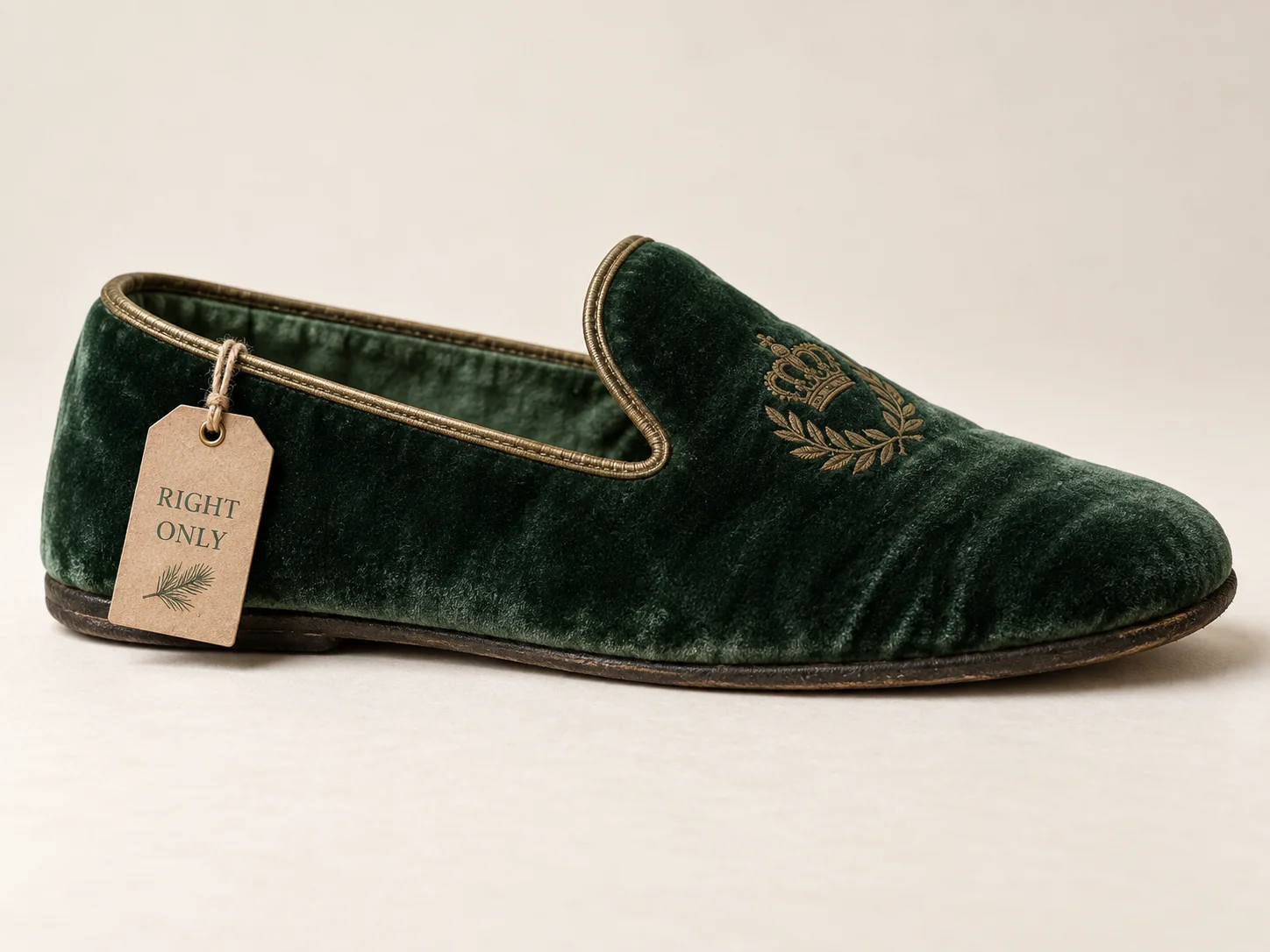
The green Right Only slipper, an illustrative one-of-a-kind lot
01 / A SPECIFIC WIN

Exactly what you chose

Every winning bid is tied to one identifiable item, never a mystery reward.

Remote for Monday tucked into a kraft virtual parcel
02 / SELLER PACKS

A waybill for nowhere

The seller chooses a wrapper and signs a fictional handoff to a username.

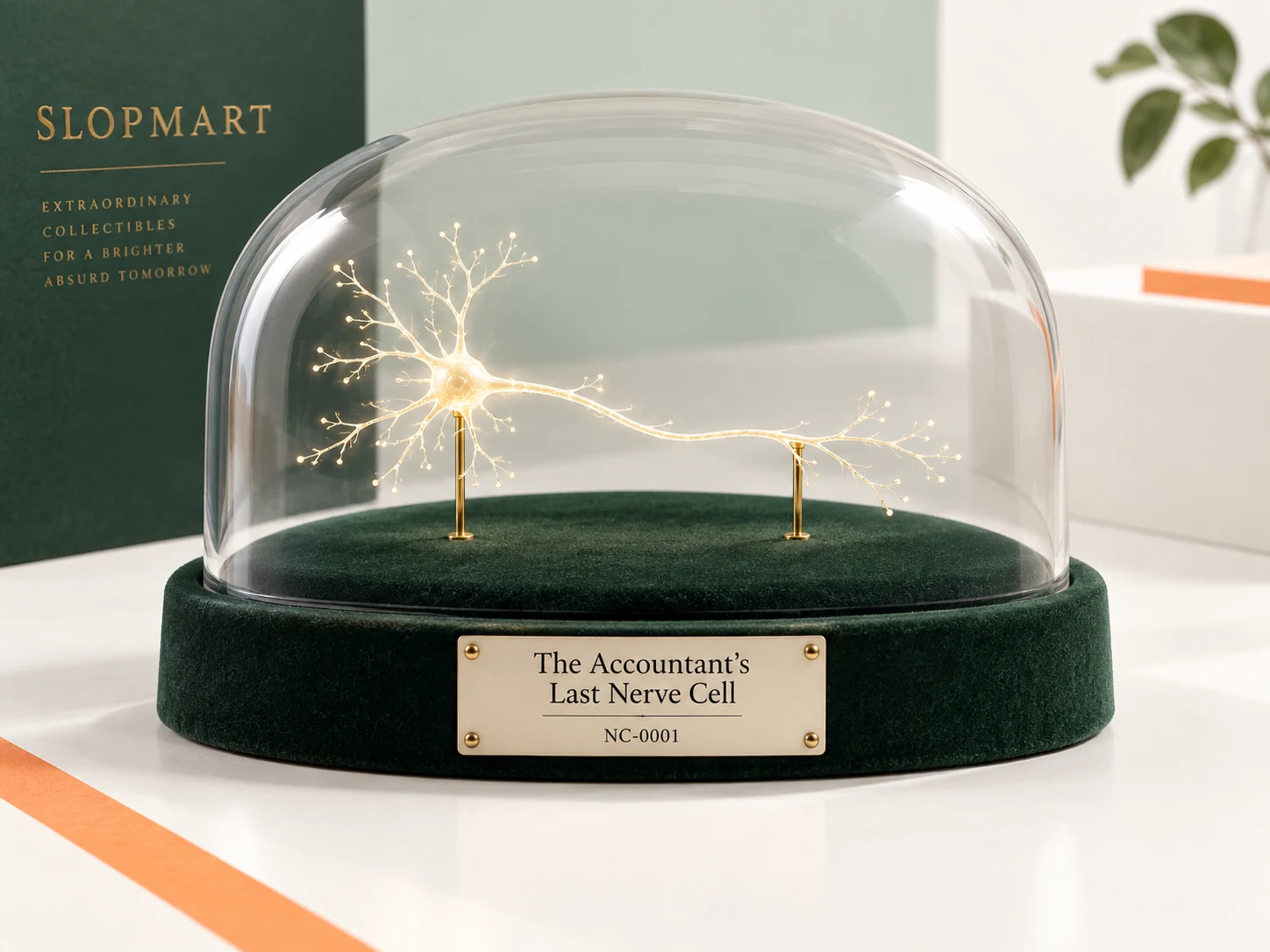
A glowing nerve cell sculpture, another illustrative lot with its own story
03 / THE WAIT

A story in transit

A fictional route uses a real city and an invented street. No home address or physical courier is involved.

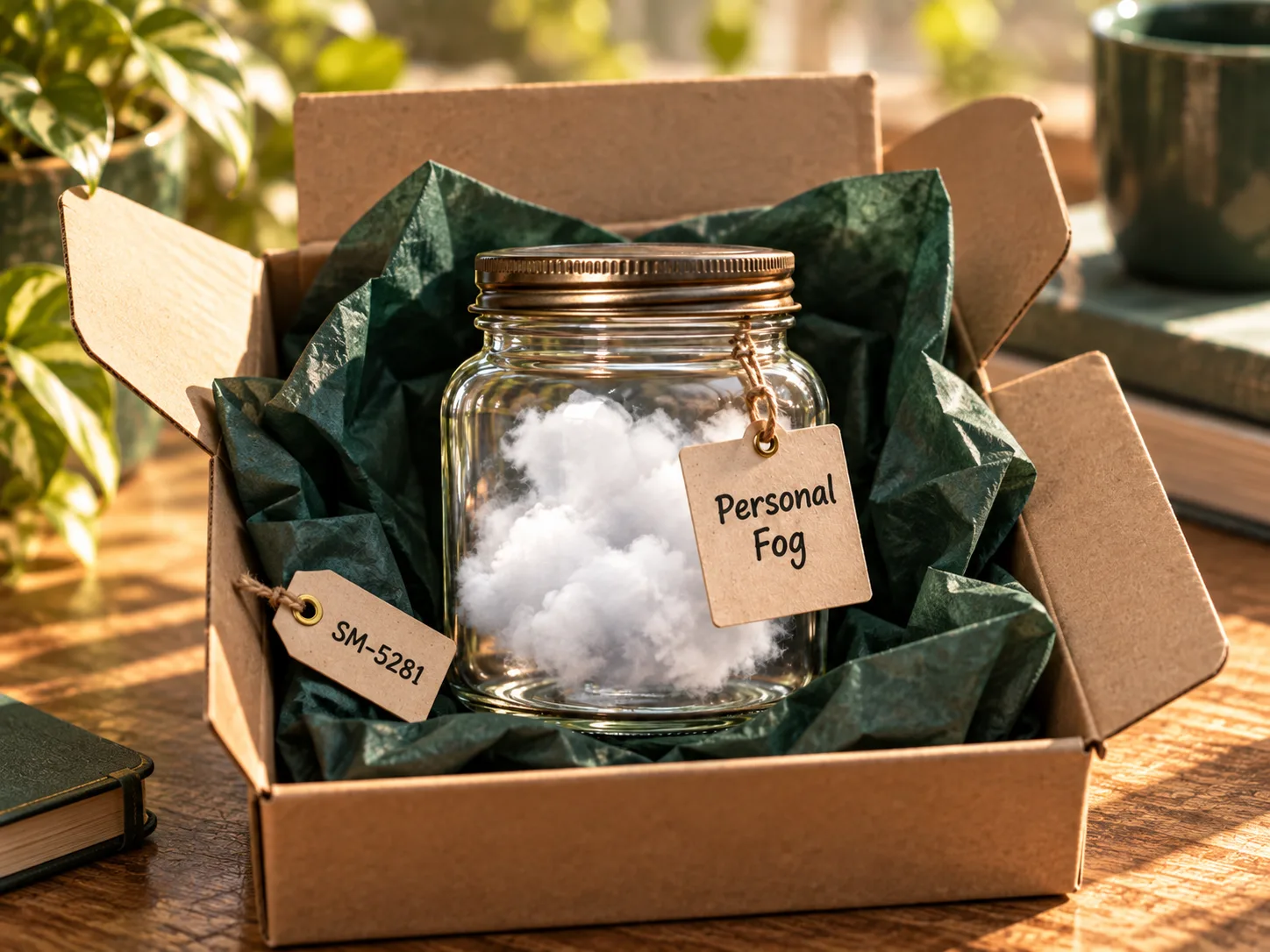
The Personal Fog lot revealed inside its virtual presentation box
04 / UNBOXED

The same item appears

The reveal returns the exact lot the buyer won, with its identity intact.

SAMPLE WAYBILL / RM-0815

Ordinary paperwork.
Very unusual cargo.

The ritual makes selling as memorable as buying. It asks for a game username and story details, never a physical address or phone number.

Contents
One pause for Monday
Recipient
Another player’s username
Handling note
Keep away from Monday mornings
Delivery type
Virtual, always

05 / WHAT YOU KEEP

One item.
Many chapters.

A purchase adds a specific instance to your collection. Its creator, past owners, sales, and reviews travel with it. You can keep it, talk about it, or list it again.

The value is the shared history around an absurd object, not exclusive image rights, NFTs, or a random loot box.

ITEM RECORDRM-0815

Remote for Monday

  1. CREATEDSomeone imagines the itemA unique ID is assigned
  2. FIRST SALEAnother person wins itThe seller sends a virtual parcel
  3. NEXT CHAPTERCollected or listed againIts story stays attached

Illustrative record · no live transaction

06 / GOOD QUESTIONS

Wait, so what is real?

SlopMart is designed to feel like a familiar marketplace, with a few important differences.

Are the items physical?

No. The item, packaging, tracking, and delivery are virtual. A user can start from a photo of a real object, but no physical object is shipped.

Are the bidders and buyers real people?

That is the core idea. Auctions and SHOP purchases are between actual users; AI can help create the item and narrate delivery, but it does not pose as a buyer.

Do I pay real money for a virtual item?

No. Item trades use marketplace credits, with no cash-out or real-money prizes. Optional store purchases add AI creation capacity only; they cannot fund bids or SHOP purchases.

Is unboxing a random loot box?

No. You know the item before you bid. Unboxing reveals the exact instance you won, with the same ID and recognizable image.

Can I resell an item?

That is part of the intended cycle. The item can return to the market while its authorship and ownership history remain attached.

Can I place a bid on this website?

No. This page is a website design preview for the product concept. The sample lots, sellers, and bids here are illustrative.

SLOPMART

Not things.
More stories.

Imagine a ridiculous item. Give it a proper listing. Let someone else make it part of their story.